THE CRUELTY BEHIND THE GLAMOUR:
WHAT YOU DON’T KNOW ABOUT FUR
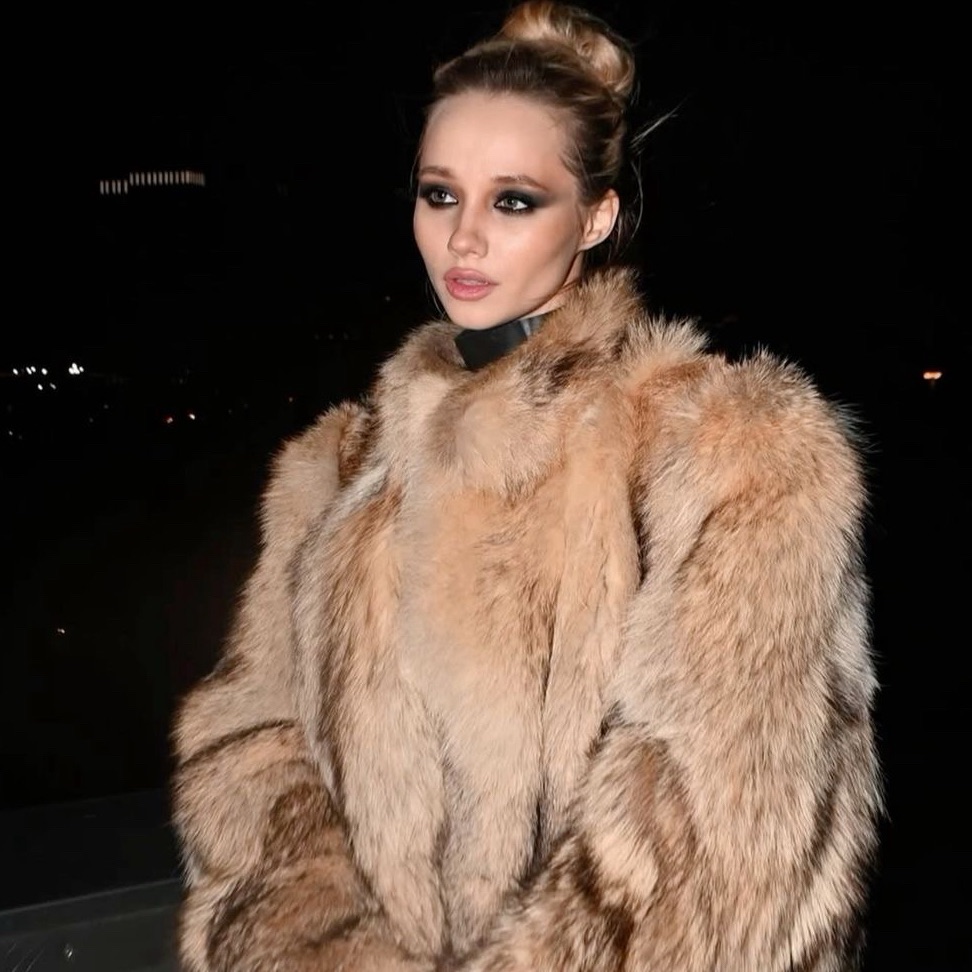
Real fur may look luxurious, but behind its shine is a brutal reality.
Every fur coat starts with a life taken – often in cruel, inhumane ways.
Foxes, minks, rabbits, and raccoons are commonly raised in cramped wire cages, denied natural behaviors, and killed using painful methods to preserve their pelts.
According to PETA, over 100 million animals are killed for fur every year. (Source: peta.org)
Beyond the cruelty, fur production has a heavy environmental cost: water pollution, toxic chemicals, and high carbon emissions. It’s fashion at the expense of both life and the planet.
By choosing second-hand fur, you avoid supporting these industries and their profits – while still getting the look for a much lower price.
It’s a smarter, kinder choice.
The future of fashion has no room for cruelty.
THE FUTURE IS
THRIFTED: RETHINKING
FASHION, ONE PRE-LOVED PIECE AT A TIME
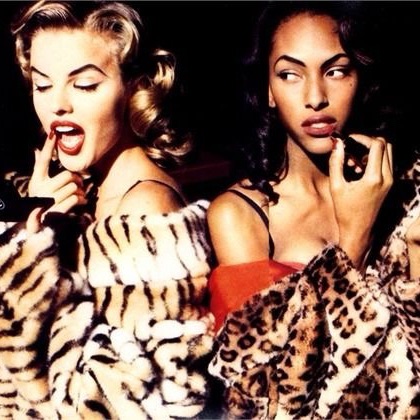
Second-Hand, First Choice: Why Thrifting is the Future of Fashion
In a world where fast fashion dominates the racks and trends change overnight, choosing second-hand clothing is no longer just a budget-friendly option — it’s a bold, stylish, and sustainable statement.
Thrifting isn’t about settling for less. It’s about choosing better: better for the planet, better for people, and better for your personal style.
1. Fashion with a Purpose
When you buy second-hand, you’re not just buying clothes — you’re saving them from landfills. According to the Ellen MacArthur Foundation, the equivalent of one garbage truck of textiles is landfilled or burned every second.
(Source: ellenmacarthurfoundation.org)
Every vintage piece you pick up gives clothing a second life and reduces demand for new production, which in turn reduces pollution, water waste, and labor exploitation. Choosing pre-loved fashion is a small act with a big environmental impact.
2. Style That Stands Out
One of the most powerful things about thrifting is how it lets you create a wardrobe that’s 100% you. Unlike fast fashion, where millions of people wear the same styles, thrifted clothing is often unique,
sometimes even one-of-a-kind.
You can explore decades of fashion history, experiment with textures and silhouettes, and find rare pieces that reflect your personal story. It’s not about chasing trends — it’s about expressing identity through fashion with depth and meaning.
3. Smart Spending, Conscious Choices
Fast fashion may seem affordable, but its hidden costs are huge: exploitation of labor, environmental degradation, and unsustainable waste. According to Good On You, the fashion industry is responsible for 10% of global carbon emissions – more than all international flights and maritime shipping combined.
(Source: goodonyou.eco)
Thrifting allows you to step out of that system. It’s an intentional way to support a circular economy — one where clothes are reused, recirculated, and appreciated for longer.
4. It’s More Than a Trend
Thrifting is not a passing fad — it’s part of a larger shift toward conscious living. More and more people are asking important questions about where their clothes come from, how they’re made, and what happens when they’re discarded
This movement embraces sustainability, creativity, and individuality. It challenges overconsumption and invites us to reconsider our relationship with clothing.
Thrifting isn’t just about clothes — it’s about values. It’s a lifestyle that respects the planet, honors the past, and shapes a more mindful future.
The next time you think about refreshing your wardrobe, consider giving a second-hand item a second life.
Because sometimes, the most fashionable choice is also the most responsible one.
TIMELESS VS.
TREASURE HUNT:
VINTAGE, THRIFT, AND THE POWER OF PERSONAL STYLE
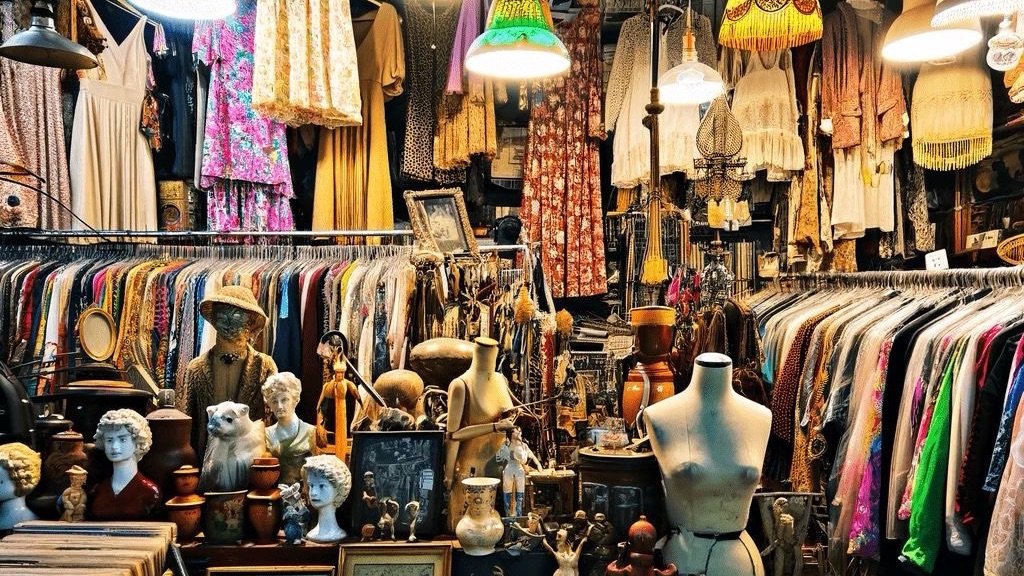
When it comes to sustainable fashion, two terms often pop up: vintage and thrifted. They’re sometimes used interchangeably, but they’re not exactly the same – and understanding the difference can totally level up your wardrobe game.
Vintage refers to clothing that’s typically 20 years or older. These are pieces that come from a specific era – think a 70s leather jacket or a 90s slip dress – and are often considered collectible or iconic. Vintage is all about history, quality, and timeless character.
Thrifted clothing, on the other hand, includes any second-hand item, whether it was made in 2004 or 2024. Thrifting is more about finding pre-loved pieces at affordable prices, regardless of their age or origin.
So how do they empower your personal style?
Both options push you to step outside the fast fashion box and curate a look that’s uniquely yours.
Vintage fashion gives your outfit soul, you’re wearing a story, a moment in time.
Thrifted fashion gives you freedom, endless possibilities to mix, match, and reinvent your look.
Together, they challenge the idea that style has to be new to be fashionable. You’re not just consuming trends, you’re choosing
whether it was made in 2004 or 2024. Thrifting is more about finding pre-loved pieces at affordable prices, regardless of their age or origin.
So how do they empower your personal style?
Both options push you to step outside the fast fashion box and curate a look that’s uniquely yours.
Vintage fashion gives your outfit soul, you’re wearing a story, a moment in time.
Thrifted fashion gives you freedom, endless possibilities to mix, match, and reinvent your look.
Together, they challenge the idea that style has to be new to be fashionable. You’re not just consuming trends, you’re choosing consciously, creatively, and authentically.
And bonus? Buying vintage or thrifted means you’re not supporting exploitative fashion practices. You’re saving money, reducing waste, and refusing to feed into a harmful system.
Because when you dress with intention, you don’t just look good, you stand for something.
 Lace lumière